OSHA 1910.213(i) — Bandsaws and Band Resaws (Guarding and Safety Requirements)
OSHA 29 CFR 1910.213(i) provides specific safety standards for the design, guarding, and operation of bandsaws and band resaws used in woodworking operations.
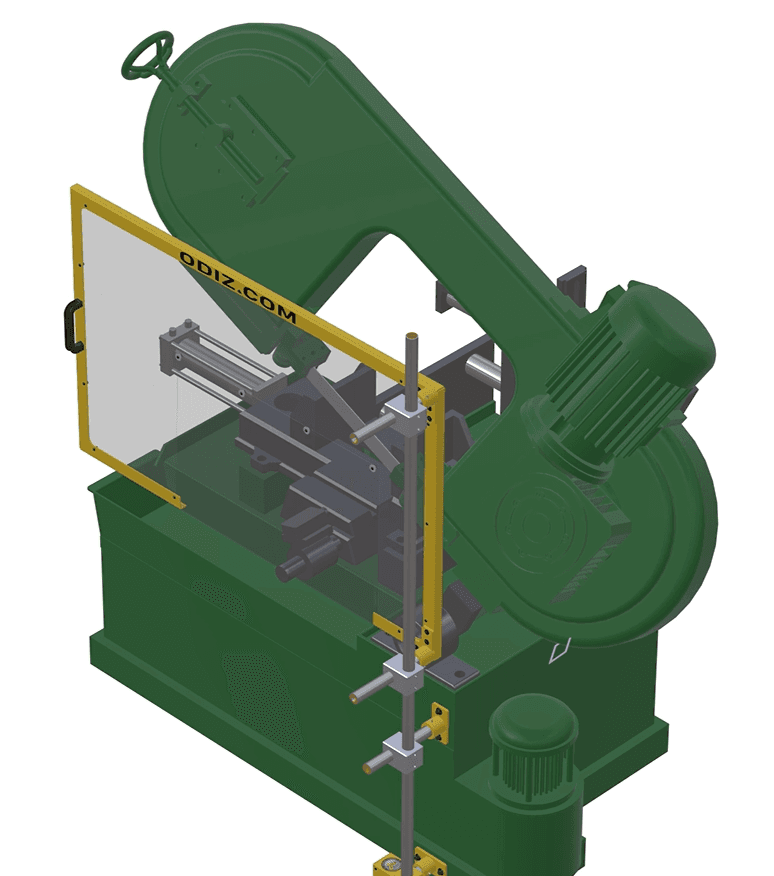
This section requires that all moving parts—including wheels, blades, and drive mechanisms—be completely enclosed and that exposed blade sections be guarded to the maximum extent possible.
The goal of this regulation is to prevent accidental blade contact, lacerations, entanglement, and kickback injuries during use.
Purpose and Intent
Bandsaws and resaws are among the most versatile and widely used woodworking machines, but their continuous blade motion and exposed cutting edges present significant hazards.
OSHA 1910.213(i) ensures that these machines are equipped with comprehensive guarding systems that minimize operator exposure while maintaining visibility and control of the workpiece.
The rule applies to both horizontal and vertical bandsaws used in wood cutting and shaping.
Key Requirements
- Wheel guards: Both upper and lower wheels must be fully enclosed with metal housings or equivalent guards strong enough to contain a blade in the event of breakage.
- Blade guards: The portion of the blade between the saw table and the upper wheel guard must be guarded except at the point of operation.
- Adjustable guard design: The upper guide and guard must be adjustable to cover the unused portion of the blade above the stock being cut.
- Drive mechanisms: Belts, pulleys, and gears driving the saw must be enclosed in compliance with OSHA 1910.219 (Mechanical Power-Transmission Apparatus).
- Blade maintenance: Blades must be properly tensioned, tracked, and kept sharp to reduce breakage and vibration hazards.
Specific Guarding Provisions
- The upper wheel must be enclosed by a metal cover or guard that completely surrounds the wheel except for the slot necessary for the blade.
- The lower wheel must be enclosed by a guard that covers the wheel and all blade return paths.
- Where stock is fed manually, the front and sides of the blade must be guarded to prevent accidental contact.
- All band resaws must include a feed roll or blade guard on the infeed side to prevent reach-in hazards.
- Any portion of the blade beneath the table must be enclosed or guarded by the machine frame or a fixed cover.
Common Hazards Controlled
- Blade contact: Operators’ hands or fingers coming into contact with the cutting edge during operation or cleaning.
- Blade breakage: Fragments or snapped blades striking the operator.
- Entanglement: Loose clothing, gloves, or jewelry caught in exposed moving parts.
- Kickback or pull-in: Improper feeding techniques causing stock to be drawn into the blade unexpectedly.
- Dust exposure: Wood dust generated by cutting can contribute to respiratory or fire hazards.
Design and Construction Recommendations
- Use steel or cast-aluminum wheel guards capable of withstanding blade failure forces.
- Equip bandsaws with automatic tension-release mechanisms to extend blade life and prevent overloading.
- Include adjustable blade guides (both upper and lower) to minimize blade deflection.
- Provide dust collection ports integrated into lower wheel housings for safe debris removal.
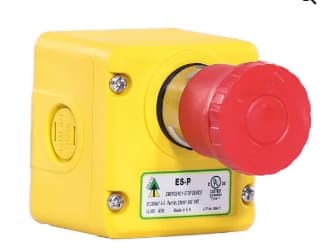
- Install emergency stop buttons within reach of the operator’s position.
Operation and Maintenance Practices
- Adjust the upper blade guard to cover the blade as close as possible to the top of the workpiece before cutting.
- Inspect blade tracking and tension before each shift or material change.
- Replace cracked, dull, or damaged blades immediately to avoid breakage during operation.
- Clean accumulated sawdust from guards, housings, and wheels regularly to prevent overheating or ignition.
- Train operators on proper hand positioning and feeding techniques to minimize exposure near the blade.
Best Practices for Compliance
- Ensure all wheel housings and drive guards are secured and closed before operating the saw.
- Maintain a machine-specific inspection checklist covering guard condition, blade tension, and alignment.
- Install foot brakes or electronic braking systems to stop the blade quickly after power shutdown.
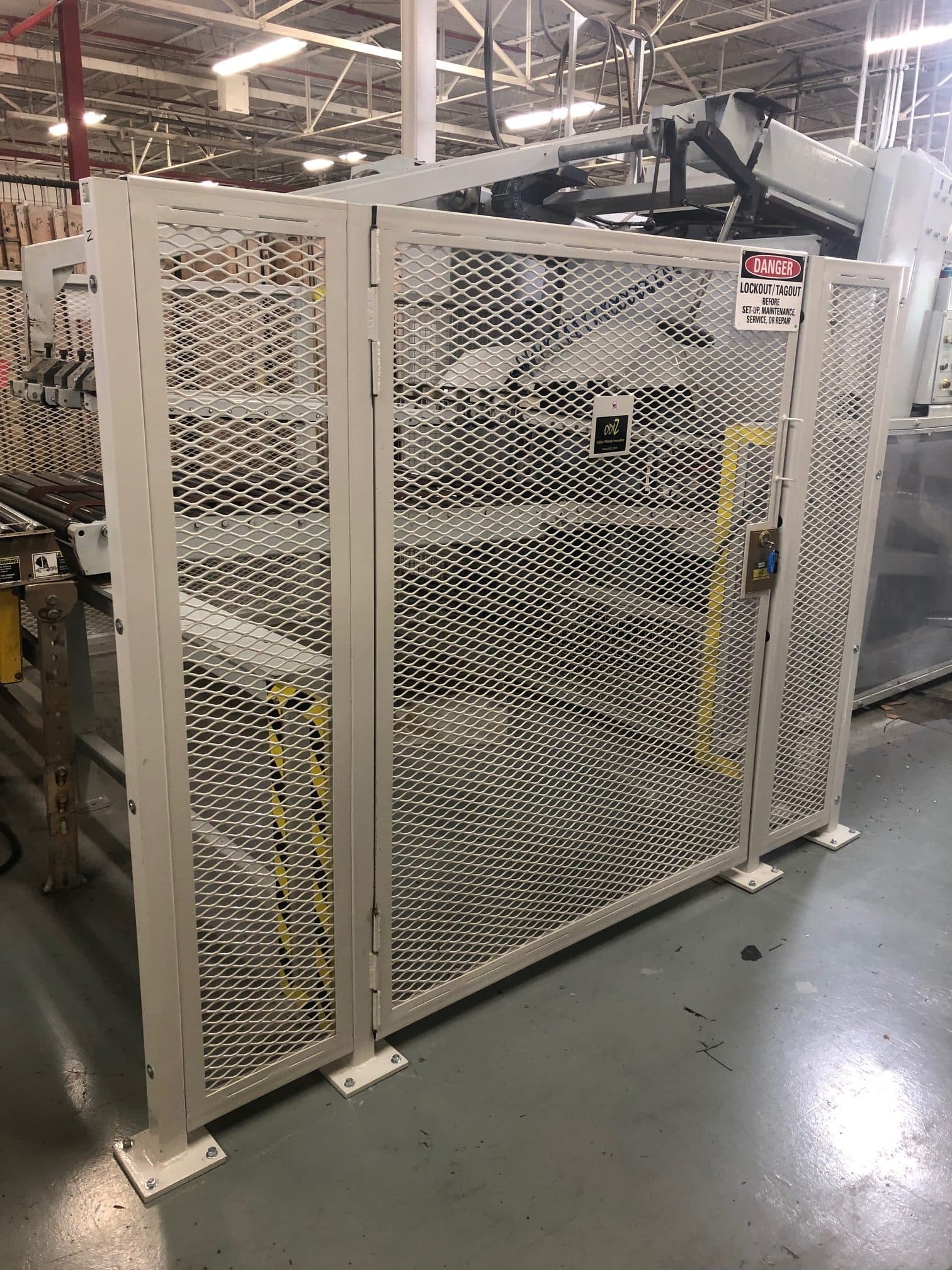
- Incorporate lockout/tagout procedures for blade changes and maintenance per OSHA 1910.147.
- Post clear signage reminding operators to adjust the guard before each cut.
Why OSHA 1910.213(i) Is Important
OSHA 1910.213(i) provides a comprehensive framework for reducing serious injuries associated with bandsaws and resaws.
These machines present high-speed cutting and continuous blade hazards that demand reliable guarding and operational discipline.
By enforcing full enclosure of wheels, guards over exposed blades, and safe control access, this rule prevents lacerations, amputations, and struck-by incidents—among the most common injuries in woodworking.
Related Standards
- 1910.213(a)(9) — Guarding of belts, pulleys, gears, shafts, and moving parts.
- 1910.219 — Mechanical Power-Transmission Apparatus.
- ANSI O1.1 — Woodworking Machinery Safety Standard.
- NFPA 664 — Standard for the Prevention of Fires and Explosions in Wood Processing Facilities.
FAQ
What’s the difference between a bandsaw and a resaw?
A bandsaw is a general-purpose cutting machine for wood and other materials. A resaw is a specialized type of bandsaw designed to cut boards into thinner sections or veneers along the grain.
Can the blade below the table remain exposed?
No. OSHA requires that the blade section beneath the table be fully enclosed or guarded by the machine frame to eliminate contact risk.
Is an adjustable upper guard mandatory?
Yes. The upper guard must be adjustable so the exposed blade above the stock is minimized for each operation, reducing the risk of contact.