Safety Through Innovation · Made in the USA
Safety Through Innovation · Made in the USA
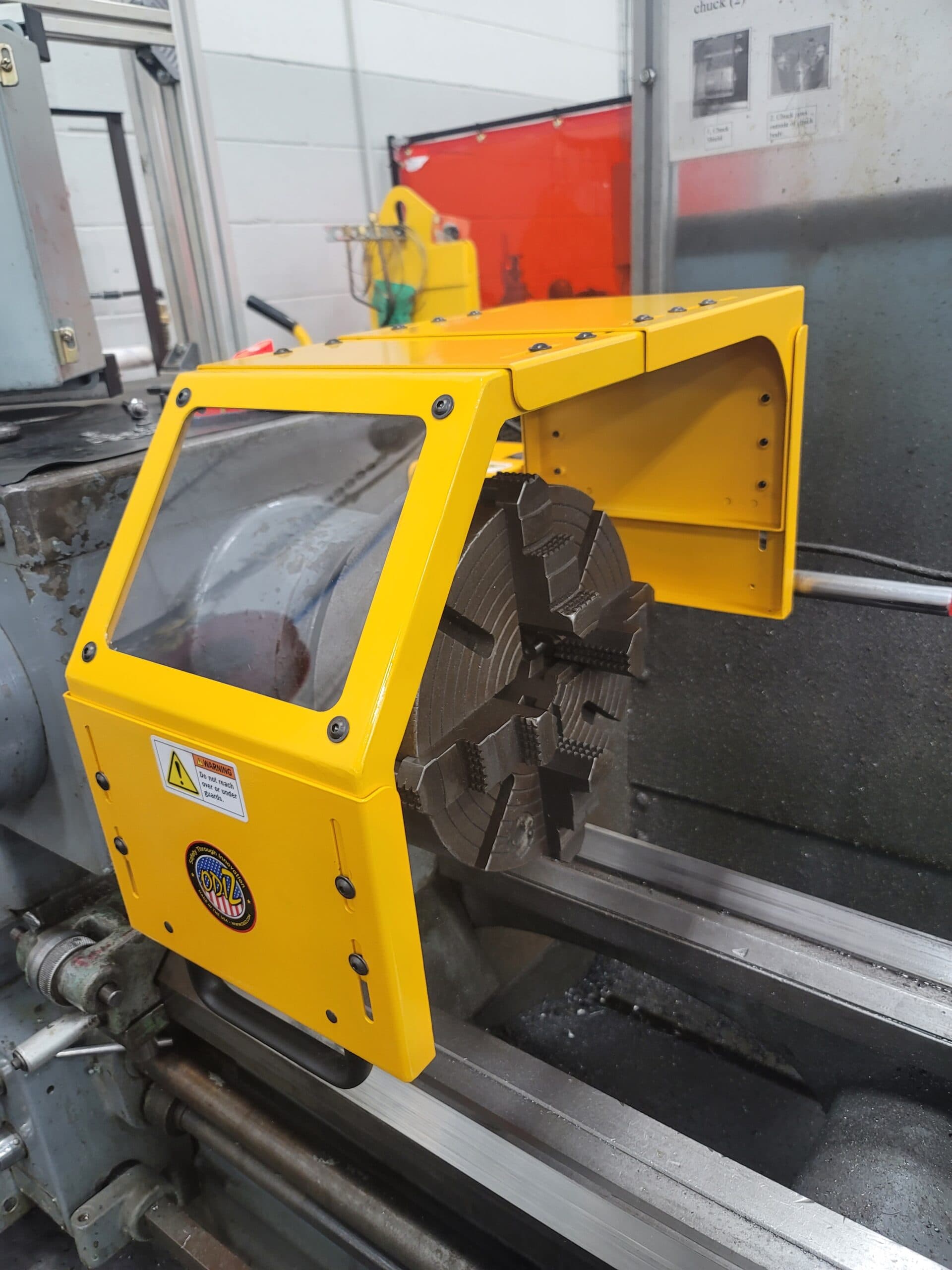
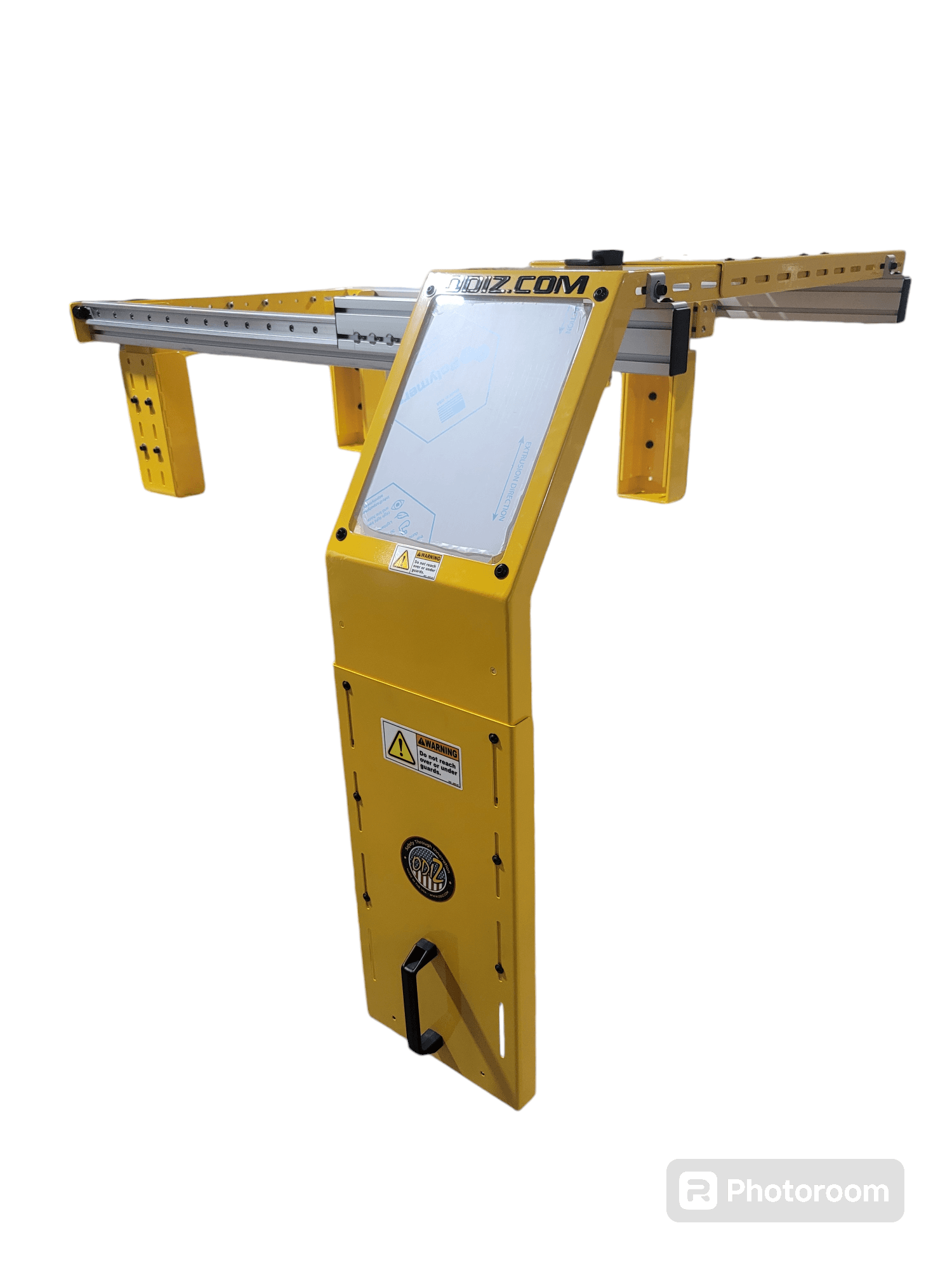
OSHA 1910.212(a)(3) requires that machines have point of operation guards to protect operators from contact with cutting, shaping, or forming actions. This rule ensures workers are shielded wherever material is fed into or removed from a machine.
33 products
OSHA 29 CFR 1910.212(a)(3) sets forth the point of operation guarding requirements for machinery used in general industry.
The “point of operation” is the area on a machine where work is performed—such as cutting, shaping, boring, forming, or assembling a part.
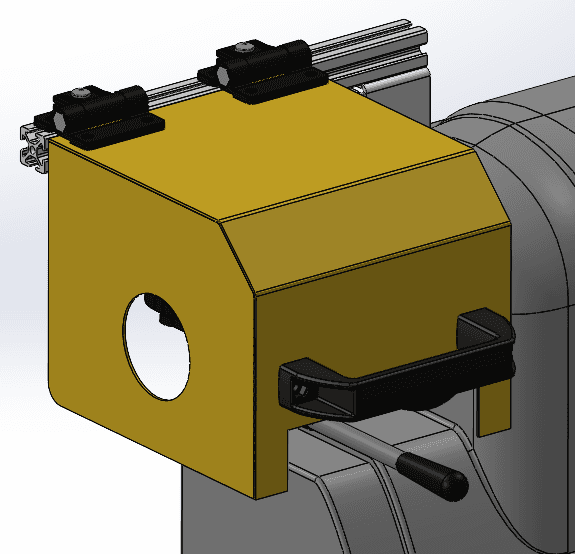
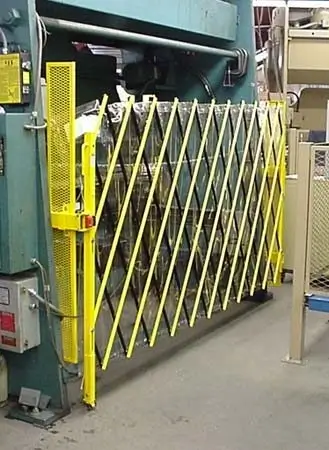
This section requires that each machine have a guard or safeguarding device that prevents the operator from having any part of the body in the danger zone during operation.
The purpose of 1910.212(a)(3) is to eliminate exposure to moving tools or dies that can cause crushing, amputation, laceration, or puncture injuries.
It applies to all machines with a point of operation hazard, regardless of size or industry.
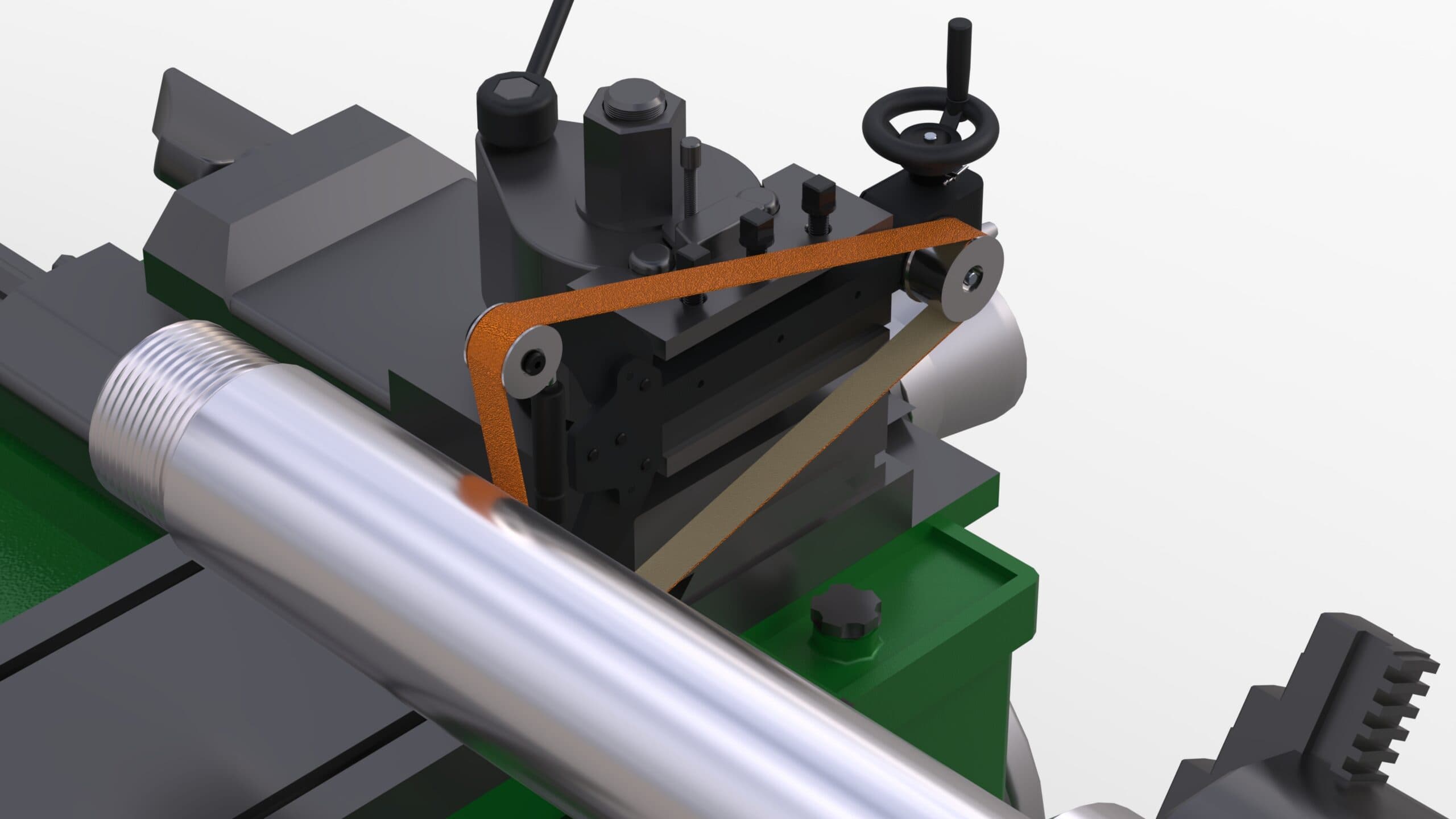
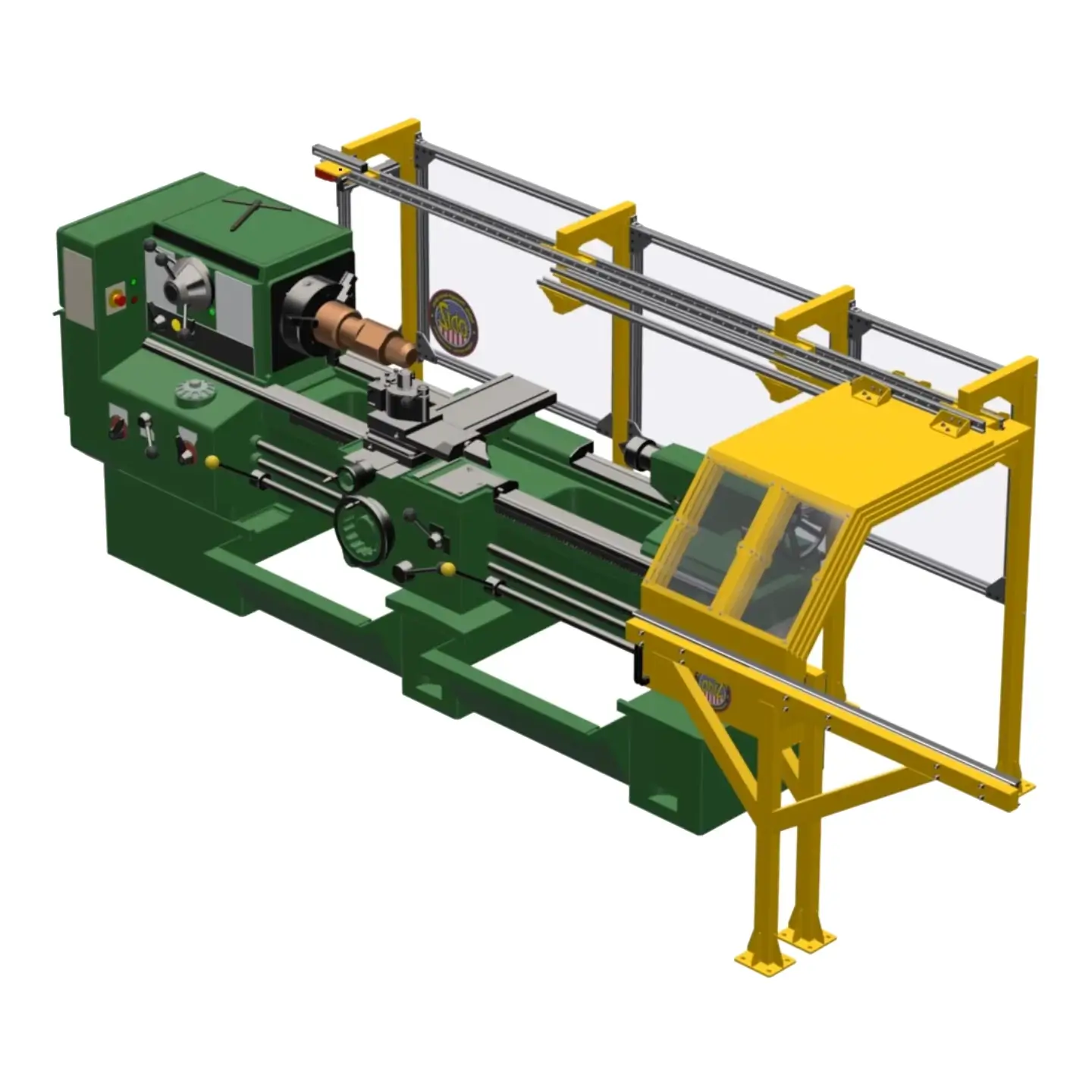
Typical examples include presses, saws, milling machines, lathes, shears, and drills.
Point of operation injuries are among the most severe and preventable workplace incidents.
By enforcing 1910.212(a)(3), OSHA ensures that all machines have reliable guarding or safety devices that keep operators’ hands, fingers, and bodies outside the danger zone during work.
This rule remains one of the most frequently cited machine safety violations nationwide.
It is the location on a machine where work is actually performed on the material—such as cutting, shaping, forming, or drilling.
Only when physical guarding is not practical. Even then, special hand tools must be designed to keep hands a safe distance from the danger zone.
Yes, if they provide equal or greater protection than a physical barrier and prevent any part of the body from entering the hazard zone during operation.
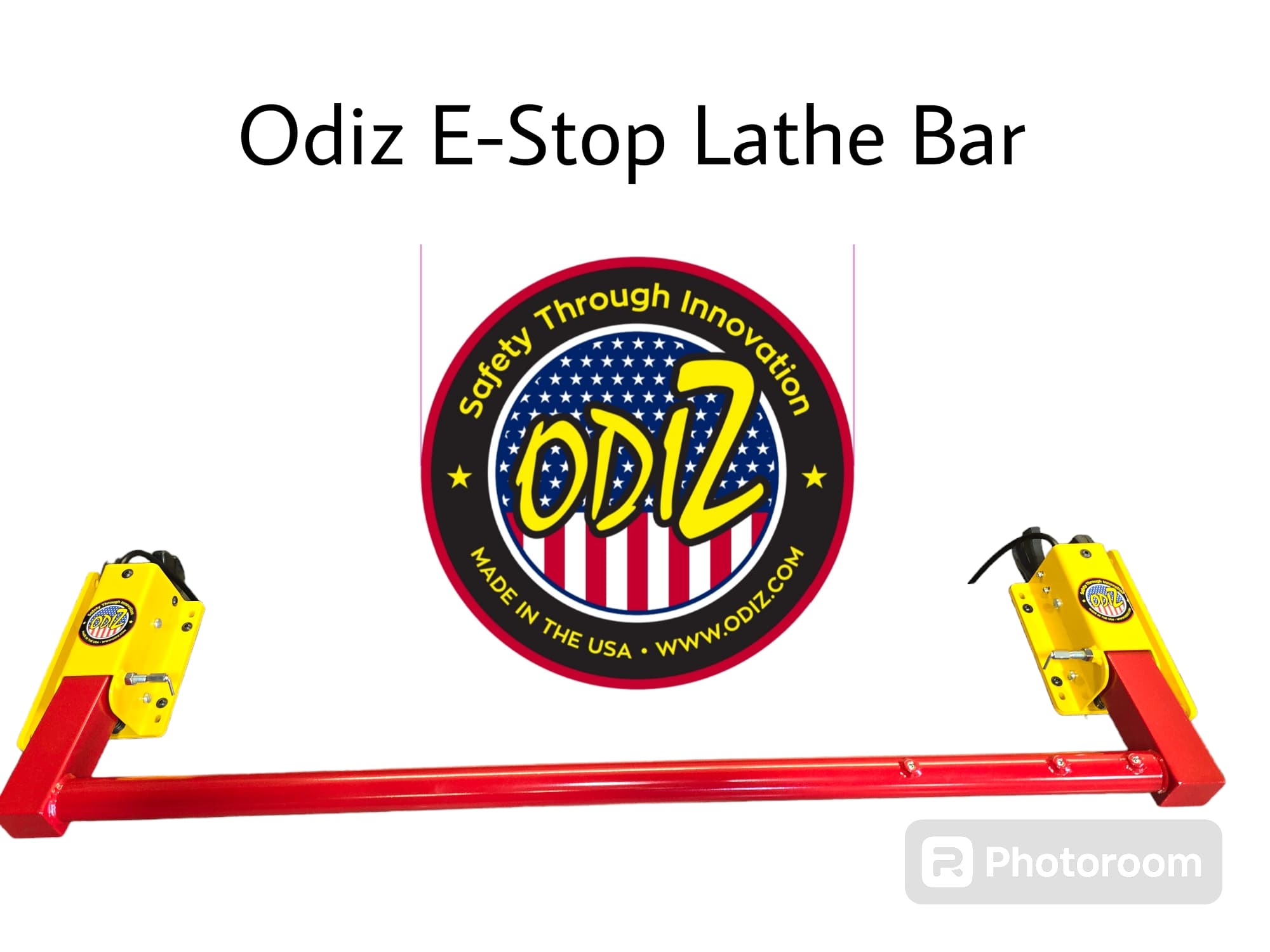
Pressure‑sensitive body bars are emergency‑trip devices required on rubber‑industry mills with roll heights at…
$1,350.00
SKU ODIZ-8527