OSHA 1910.213(p)(3) — Guarding and Exhaust Requirements for Disc Sanding Machines
OSHA 29 CFR 1910.213(p)(3) establishes specific safety requirements for disc sanding machines, focusing on the proper enclosure and exhaust ventilation of the revolving sanding disc.
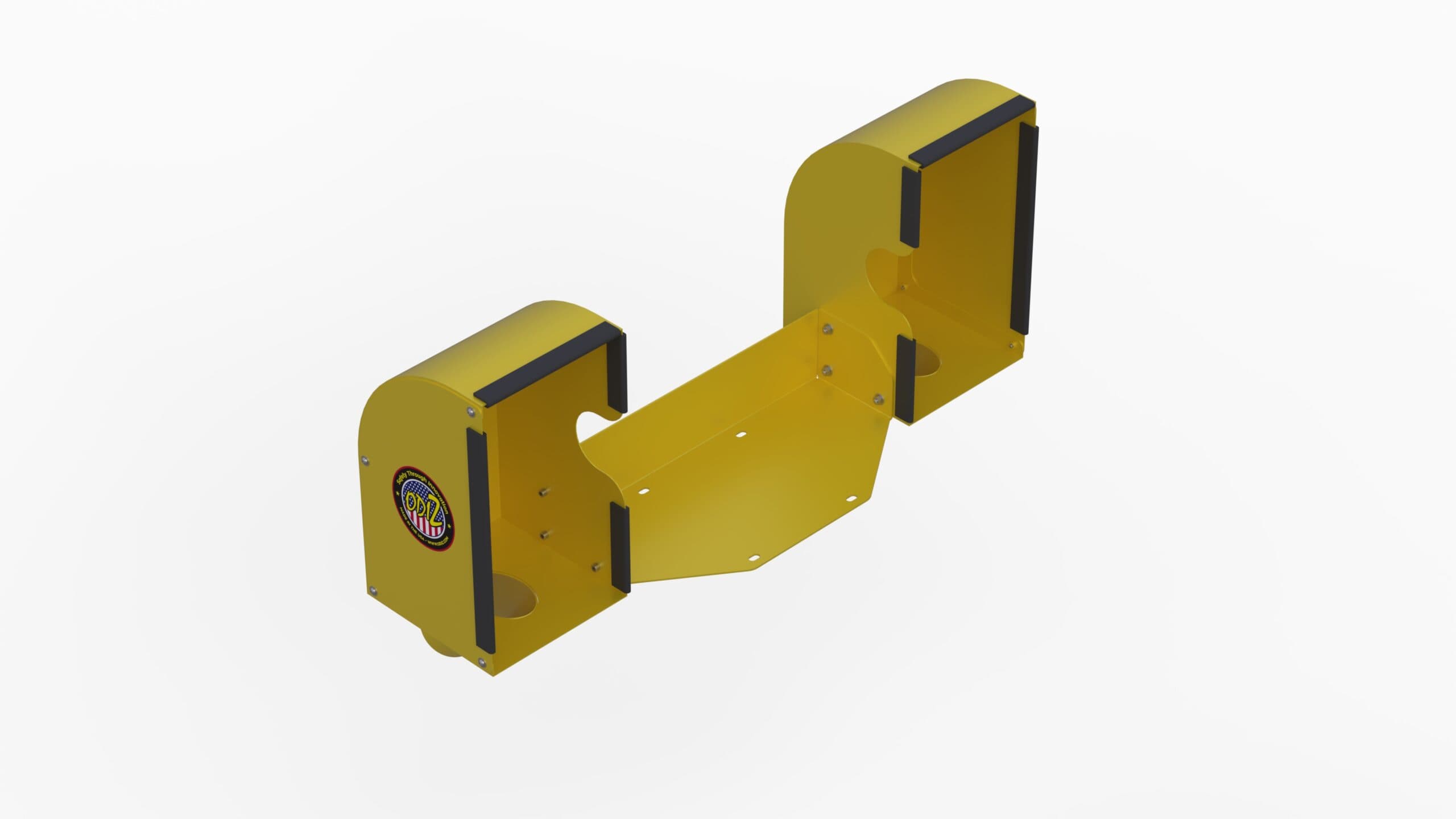
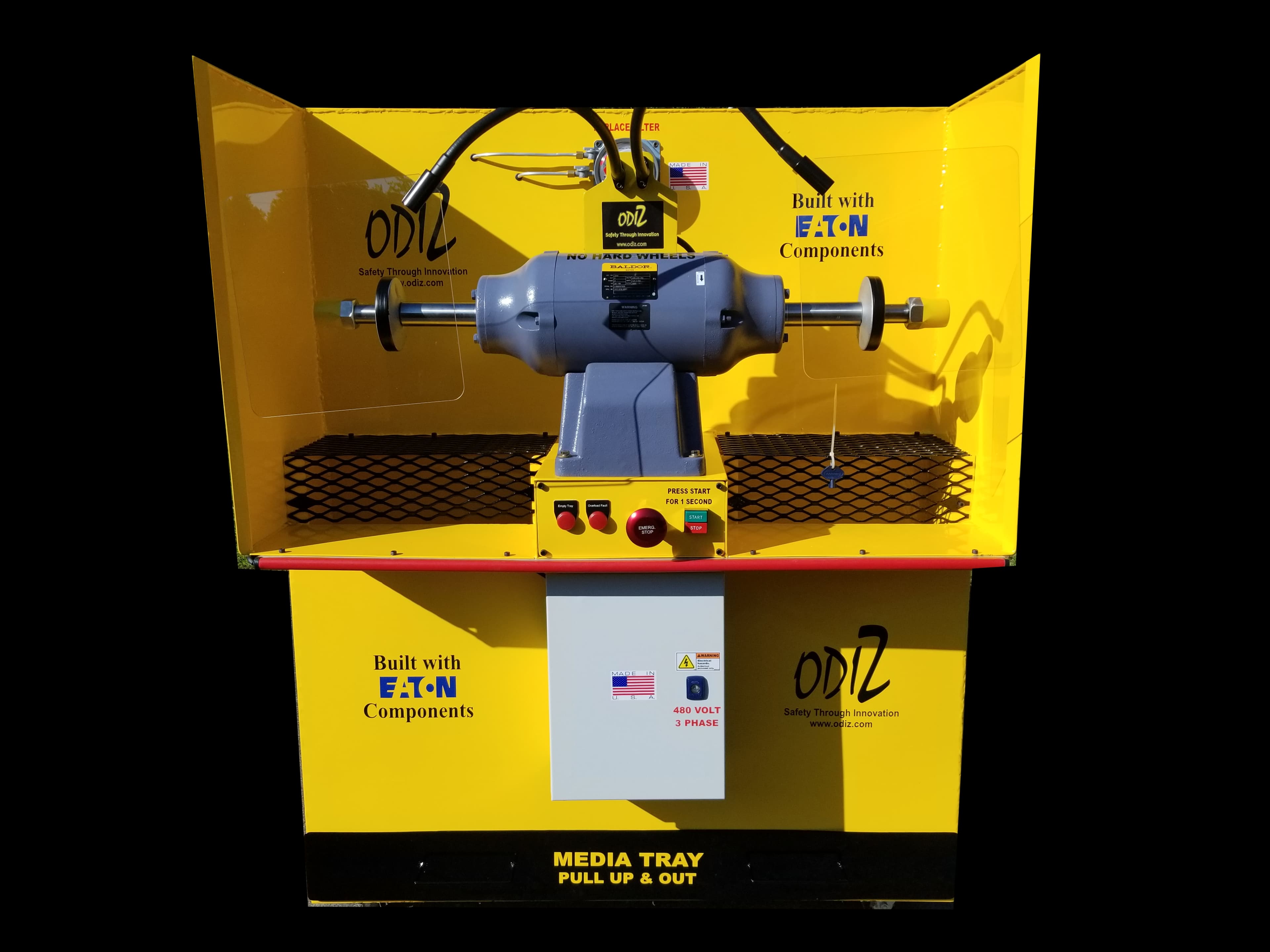
The regulation mandates that each machine be equipped with an exhaust hood, or if no dust collection system is used, an equivalent guard, arranged to fully enclose the disc except for the portion above the table needed for sanding operations.
Regulatory Text
“Each disk sanding machine shall have the exhaust hood, or other guard if no exhaust system is required, so arranged as to enclose the revolving disk, except for that portion of the disk above the table, if a table is used, which may be necessary for the application of the material to be finished.”
Purpose and Intent
OSHA 1910.213(p)(3) aims to protect operators from accidental contact with rotating sanding discs and from the health hazards associated with airborne dust generated during sanding.
The exhaust hood or guard serves as both a physical barrier to prevent injury and a ventilation system component to remove fine dust and debris from the operator’s breathing zone.
These safety measures reduce risks of lacerations, abrasions, entanglement, and respiratory illness.
Key Requirements
- Mandatory hood or guard: Each disc sanding machine must have an exhaust hood or, if not connected to an exhaust system, a fixed guard enclosing the disc.
- Extent of enclosure: The guard or hood must cover all areas of the revolving disc except the upper section above the worktable used for sanding.
- Material construction: Guards and hoods must be made from heavy-duty metal or equivalent materials capable of withstanding vibration and abrasion.
- Exposed area limitation: Only the minimal area required for material application should remain open to reduce operator exposure.
- Dust control: When an exhaust system is in place, the hood must effectively capture dust at its point of generation and prevent accumulation within the enclosure.
Common Hazards Controlled
- Blade and disc contact: Prevents accidental hand or finger contact with the high-speed abrasive surface.
- Entanglement: Guards eliminate access to the rotating disc and prevent clothing or hair from being caught.
- Dust inhalation: Exhaust systems capture fine sanding dust to protect operator respiratory health.
- Fire and explosion risks: Dust removal prevents combustible dust buildup in the work area.
- Flying debris: Enclosures contain abrasive fragments or loose stock pieces thrown by the disc.
Design and Construction Guidelines
- Design exhaust hoods to enclose at least 180° of the disc, leaving only the operational section accessible to the operator.
- Mount guards securely to the machine frame to prevent movement or vibration during use.
- Position the exhaust port near the point where dust is generated — typically at the rear or side of the disc.
- Ensure the hood or guard allows for easy removal or hinged access during maintenance under lockout/tagout conditions.
- Maintain smooth interior surfaces to improve airflow and prevent dust accumulation inside the enclosure.
Inspection and Maintenance Practices
- Inspect the hood or guard daily for cracks, looseness, or deformation.
- Check the exhaust duct connection to ensure airtight seals and proper airflow.
- Clean dust and debris buildup from inside guards and hoods regularly to maintain visibility and air movement.
- Verify that only the required area of the disc is exposed during each sanding operation.
- Document inspection results and corrective actions in the machine safety log.
Best Practices for Compliance
- Integrate high-efficiency dust extraction systems designed for fine wood particulate collection.
- Train operators to adjust guards and tables properly before beginning work.
- Use abrasion-resistant steel or aluminum hoods for heavy-duty applications.
- Equip machines with emergency stop buttons within arm’s reach of the operator.
- In multi-disc sanders, ensure each disc has an individual exhaust hood or equivalent guarding system.
Why OSHA 1910.213(p)(3) Is Important
OSHA 1910.213(p)(3) is essential for preventing the most common injuries associated with disc sanding machines—namely, contact with moving discs and inhalation of fine wood dust.
These machines operate at high rotational speeds, and even a brief loss of concentration can result in serious lacerations or amputations if guards are missing or poorly designed.
The exhaust hood also plays a vital role in controlling airborne particulates, improving both air quality and fire safety within woodworking environments.
Related Standards
- OSHA 1910.213(p)(2): Guarding requirements for drum sanding machines.
- OSHA 1910.94(b): Ventilation for abrasive and sanding operations.
- ANSI B11.8: Safety requirements for woodworking and finishing machinery.
- NFPA 664: Fire and explosion prevention in wood processing facilities.
FAQ
Can I use a guard instead of an exhaust hood?
Yes. If no dust collection system is required, a fixed guard constructed of heavy material may be used to enclose the disc safely.
How much of the sanding disc can remain exposed?
Only the portion above the worktable necessary for applying the workpiece to the disc should remain uncovered—typically one-third or less of the total disc area.
Why is dust collection so important on disc sanders?
Disc sanding produces fine airborne dust that can cause respiratory irritation and create a fire hazard. Exhaust hoods capture these particles at the source, improving both safety and air quality.